
How Students Can Shape Their Online Image
May 16, 2026 Uncategorized 0 comment edesmond26


Almost everything we do online leaves a mark. Your digital footprint is all the information about you that can be found on the internet. Having a positive digital footprint matters because it can influence how colleges, employers, and even friends view you. People want to see if you act responsibly, show creativity, and treat others with respect online. For example, the article The Power of a Positive Digital Footprint for Students says companies often look for “an indication of the applicant’s personality” and whether online profiles “support professional qualifications and conduct.” This shows that presenting your best self online can lead to opportunities like scholarships, jobs, or awards. A positive digital footprint means you think carefully about what you share and how you interact with others, helping you build a trustworthy and professional reputation.
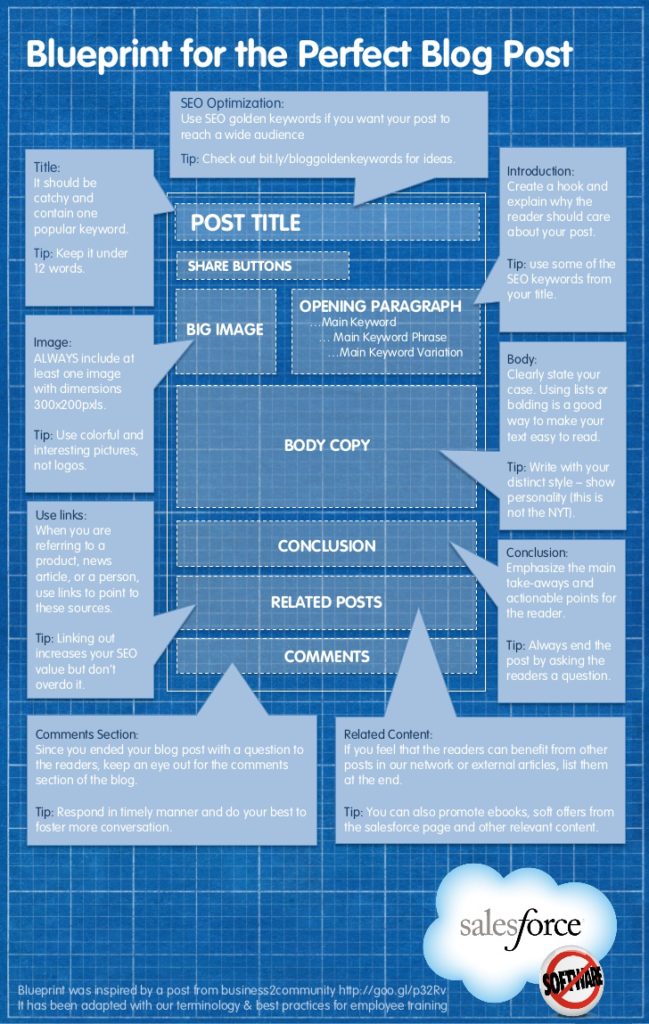
There are many ways students can build a positive digital footprint. Sharing content on social media that reflects your values, hobbies, and achievements helps others see your interests in a positive way. Blogging allows you to present your ideas, projects, or skills in detail, giving a clear picture of your strengths and commitment. Using sites like Blogger or WordPress and attaching your real name makes it easy for employers or college recruiters to find your work. For example, students can write about school projects, volunteer experiences, or creative hobbies that show responsibility and professionalism while highlighting what makes them unique. Posting videos, photos, or digital projects online can also help students create a strong online presence. For example, uploading a video of a science project, a digital art portfolio, or a short film they made demonstrates creativity, effort, and talent in ways that colleges and future employers will notice. Participating in online contests, such as writing, photography, or coding competitions gives students a chance to show hard work, talent, and dedication to a wider audience. Creating a digital resume on platforms like LinkedIn clearly organizes these achievements, helping colleges and employers quickly see your abilities and accomplishments. These steps help students actively shape how they appear online and build a strong and positive reputation over time.
In summary, building a positive digital footprint takes effort and smart use of online tools. By carefully choosing what to share and using digital platforms to highlight achievements, creativity, and professionalism, students can show their best qualities online. Managing your digital footprint good not only protects your reputation but also opens doors to college opportunities, scholarships, and career growth.
Featured Image: “Camara” by jlmaral is licensed under CC BY-SA 2.0.