Is It Art or Vandalism?
January 10, 2026 Uncategorized 0 comment Hboulanger26
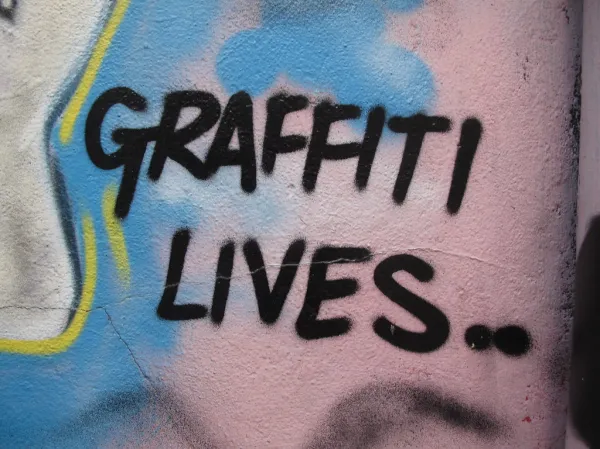

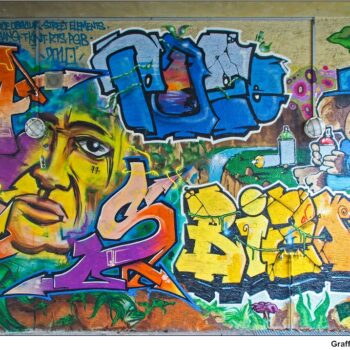
Graffiti is an art form that allows people to express themselves and share social messages. However, whether it’s viewed positively or negatively often depends on the context. When created intentionally and in suitable locations, graffiti can enhance public spaces and convey important ideas. On the other hand, when it’s done without permission and damages property or alters the appearance of an area, it’s often considered vandalism.
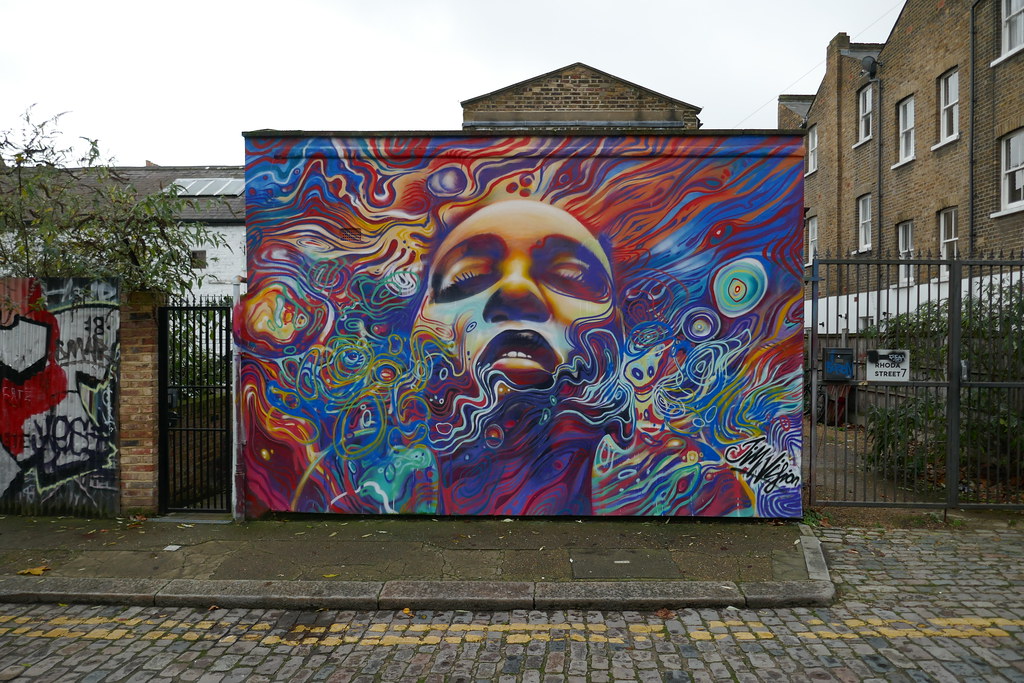
Graffiti is a form of self-expression that can address social and political issues, “Graffiti has always been somewhat political, but it has come a long way from simply tagging one’s name to parodying world leaders to make a statement.” (Graffiti as Art) Graffiti has come a long way from just social and political issues; it has now formed into a way for everyday people and artists to express themselves. I think that when it comes to certain types of graffiti, it should be counted as art. I’ve seen so many beautiful murals in cities, and I think that the artists should continue to be able to express themselves like this. Artists like Banksy use public spaces to convey meaningful messages, and cities like Berlin and New York celebrate it as public art through commissioned murals, “Recognition by the art world and inclusion in galleries and auctions is one way that graffiti art is legitimized as “real” art” (Grafiti as Art) Banksy uses these public spaces like this to show off his talent and show his messages to the world. However, unauthorized graffiti can be seen as vandalism, damaging property, and incurring cleanup costs. It can also be linked to criminal activity, undermining its artistic value, “Graffiti sometimes has a wave effect, in which a heavily vandalized area will experience increases in other sorts of crimes as well. Gang-related crimes and violence are the crimes most commonly associated with graffiti.” (Graffiti as Vandalism) Ultimately, graffiti can be legitimate art when done intentionally and in the right context, but it risks being viewed as vandalism if it disrupts public spaces. Vandalism can also alter the look of safety in a neighborhood or a city with apartment buildings, “Vandalism is usually seen as a quality of life issue. When an area has extensive graffiti, people tend to view it as a ‘bad neighborhood.'”(Graffiti as Vandalism) When graffiti is used negatively, it causes issues like this where people view that neighborhood as a bad place to live.
In conclusion, graffiti straddles the line between art and vandalism. When done with permission, it can enhance public spaces and spark conversation. However, without consent, it becomes damaging and disruptive. Ultimately, its classification depends on context, intent, and community impact.
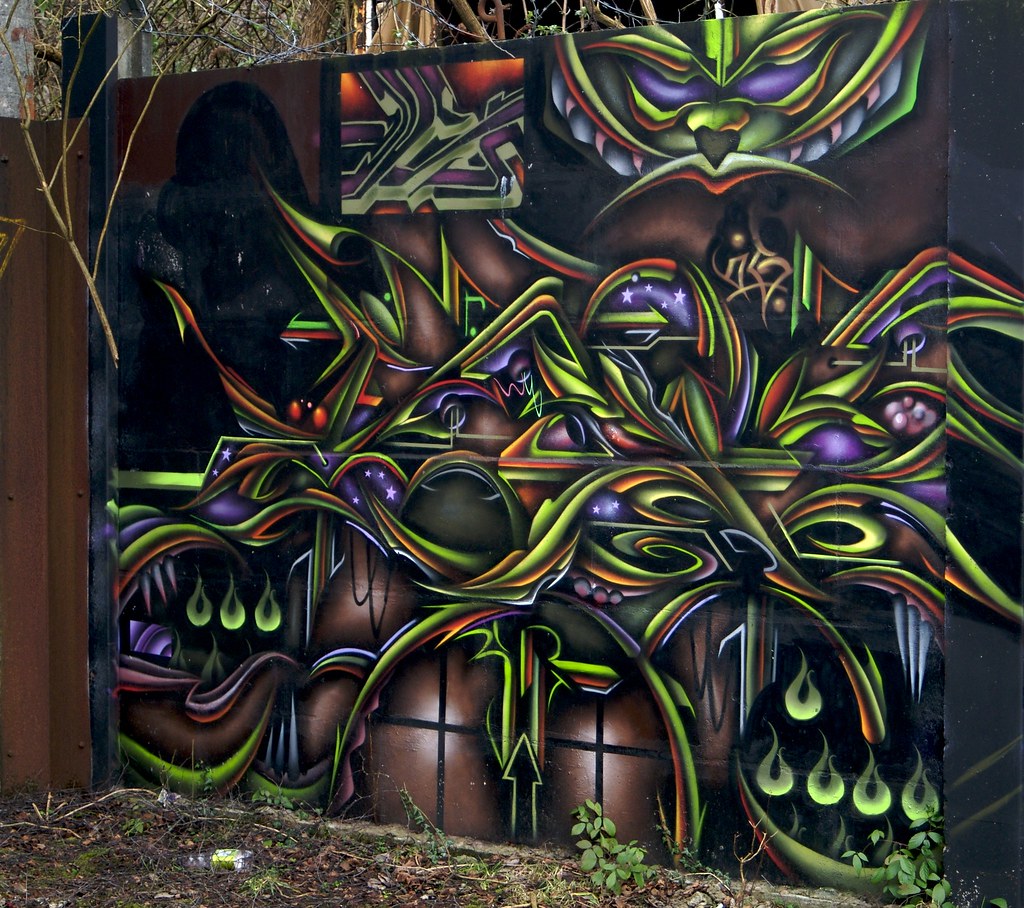
“Graffiti Outside The Treforest Tin Works” by Stuart Herbert is licensed under CC BY-NC-SA 2.0.
“Jim Vision graffiti, Shoreditch” by duncan cumming is licensed under CC BY-NC 2.0.