Inherited Mistakes
January 10, 2026 Mistakes 0 comment jmartineau26
After the 5-year-long Cuban Revolution ended in 1959, directly in the middle of the Cold War, Cuba had reformed into a communist, single-party state, cozying up to the USSR. Cuba, being the Southern neighbor of the United States, had spooked President Eisenhower, who started planning an on-ground invasion in early 1960.
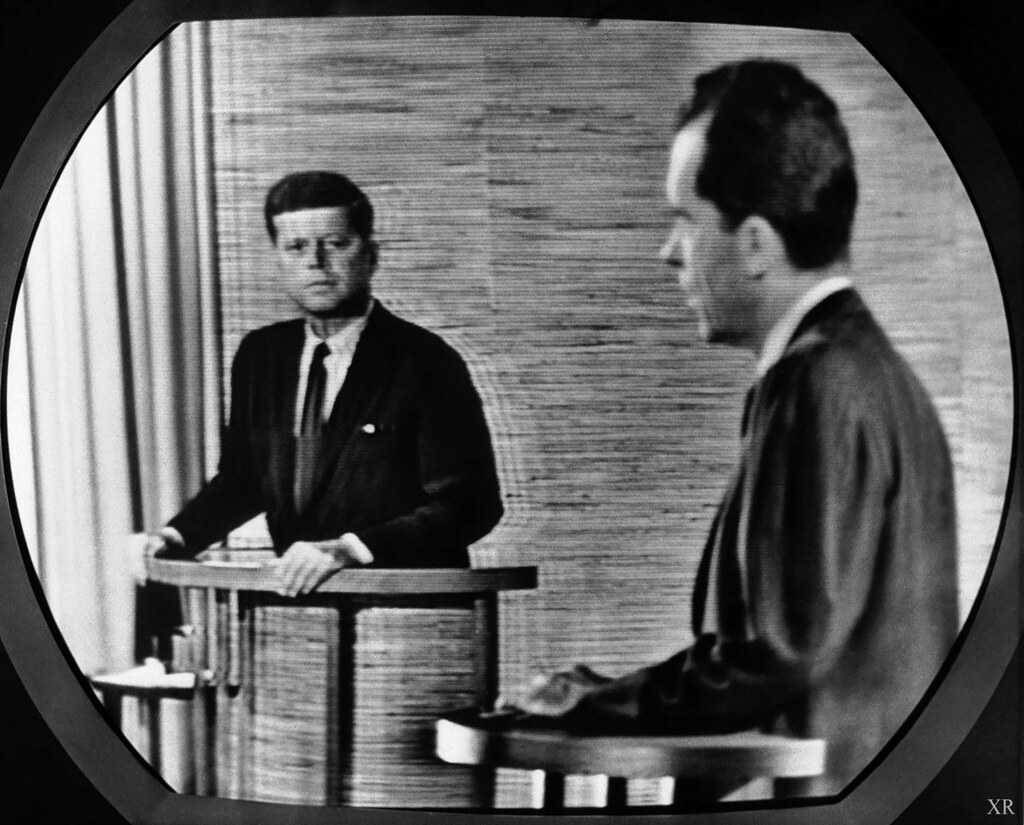
Now, 1960 was an election year, one that would decide the next president, and one presently considered one of the most important in American history. Incumbent Republican Vice President Richard Nixon ran against incumbent Democratic Senator John F. Kennedy. Cuba had become a hot-button issue, and Kennedy took advantage of Nixon’s holding office and pointed out how the Eisenhower Administration allowed communism to get so close to American shores. After a long-fought campaign and a very close election, Kennedy was elected the 35th President of the United States.
Now inheriting the planned invasion, Kennedy was briefed on the plan as President-elect in November 1960. Before the inauguration, Eisenhower had met with agency leaders to formulate a new plan, hoping to pressure Kennedy into following through with the invasion. After the inauguration, President Kennedy had hesitated to commit to the operation; he had been informed of troops being trained by the CIA in Guatemala, and his advisors had consistently insisted on using them. Finally caving, he had finalized the plans, following his new request that the location be moved to a new, inconspicuous location, the Bay of Pigs.
The invasion itself, however, was a disaster. The plan was flawed from the beginning and riddled with errors. On April 15, 1961, the CIA-sponsored Cuban exiles, known as Brigade 2506, launched preliminary airstrikes in Cuba. The air attacks, meant to destroy Fidel Castro’s air force before the landing, failed to achieve their objective, leaving Castro’s air power largely intact. The cover story, involving “defectors,” quickly fell apart, revealing American involvement to the world and infuriating U.S. Ambassador to the UN Adlai Stevenson, who was unaware of the covert operation.
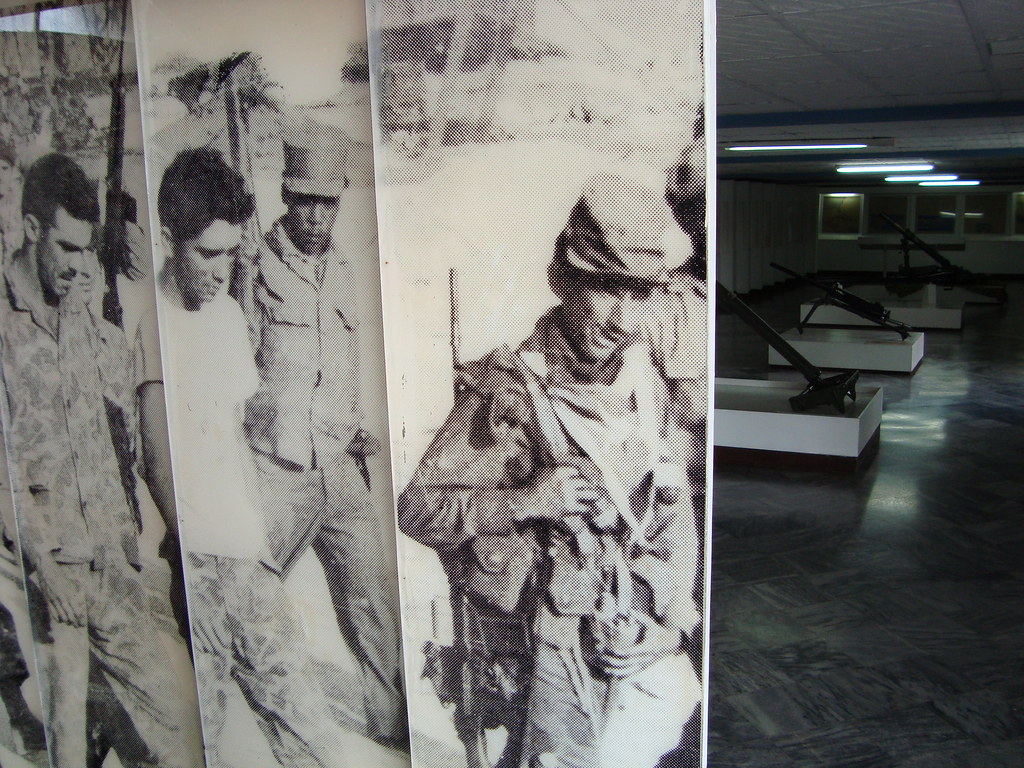
On April 17, the main assault force of 1,400 Cuban exiles landed at Playa Girón in the Bay of Pigs. They immediately encountered fierce and well-prepared resistance from Castro’s forces, which greatly outnumbered them. The remote, swampy landing site, chosen for deniability, hindered the invaders’ progress and isolated them from potential reinforcements. Crucial naval support was lost when Castro’s air force sank two of the exiles’ supply ships, depriving the invaders of ammunition and equipment.
Perhaps the most devastating setback was Kennedy’s last-minute cancellation of a second airstrike, and the severely limited and mismanaged air cover that was eventually provided. Believing the CIA had misled him and unwilling to risk direct American military escalation, Kennedy held back the full air support that the invasion depended on. This left the invaders at the mercy of Castro’s military. Within three days, the invasion was completely crushed. More than 100 exiles were killed, and over 1,100 were captured and imprisoned.
The botched invasion was a humiliating foreign policy defeat for the young Kennedy administration. The president was furious with the CIA but, to his credit, publicly took full responsibility for the failure. In a press conference on April 21, he famously stated, “There’s an old saying that victory has a hundred fathers and defeat is an orphan. …I am the responsible officer of the government”. This acceptance of responsibility was generally well-received by the American public, and his approval ratings even rose.
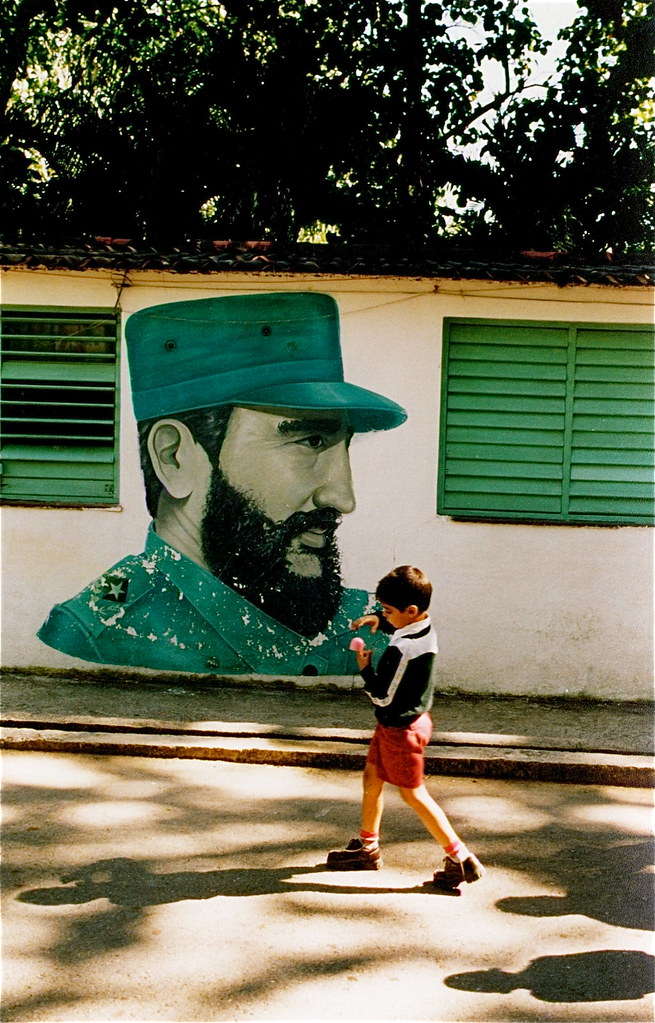
However, the consequences were severe. The failure bolstered Fidel Castro’s image as a national hero and solidified his power in Cuba. It also pushed Cuba further into the Soviet Union’s orbit, leading Castro to declare himself a Marxist-Leninist openly. Soviet Premier Nikita Khrushchev interpreted Kennedy’s hesitancy as a sign of weakness, an assumption that would embolden his actions during the Cuban Missile Crisis the following year. Kennedy, chastened by the experience, became more skeptical of military and intelligence advisors and later handled the missile crisis with greater caution. The captured Cuban exiles were held for 20 months until Attorney General Robert F. Kennedy negotiated their release in exchange for $53 million in private donations of food and medicine. The entire fiasco served as a stark reminder of the risks and complexities of covert operations during the Cold War.
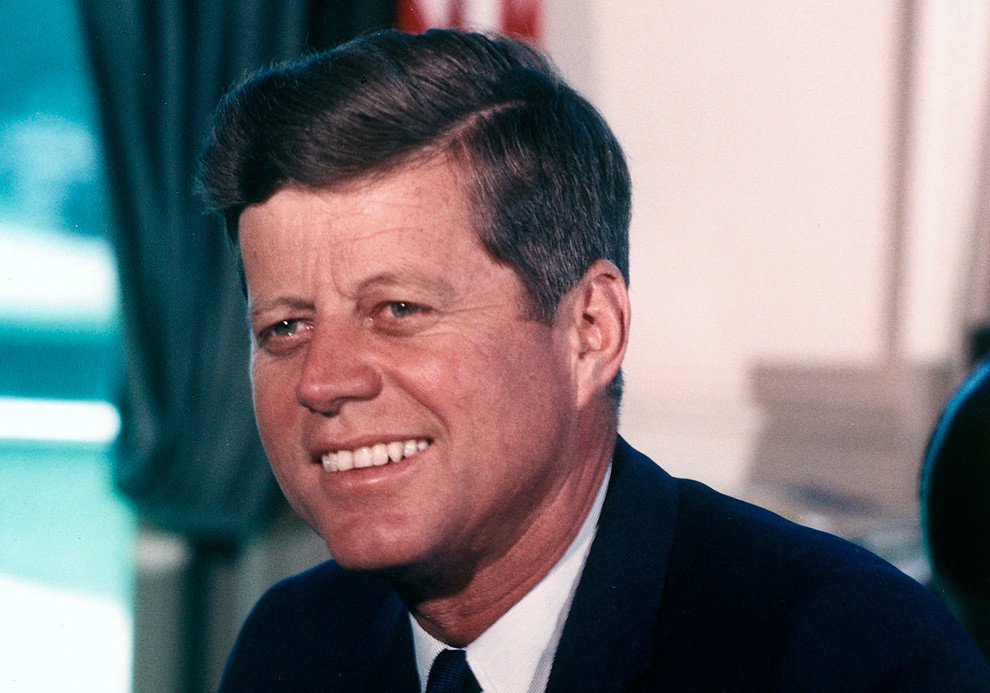
“President John F. Kennedy” by U.S. Embassy New Delhi is licensed under CC BY-ND 2.0.
“1960 … Nixon – Kennedy debate” by x-ray delta one is licensed under CC BY-NC-SA 2.0.
“Prisoners of Bay of Pigs – Photo in Museum – Playa Giron – Cuba” by Adam Jones, Ph.D. – Global Photo Archive is licensed under CC BY 2.0.
“Fidel Castro School Propaganda, Cuba” by ChrisGoldNY is licensed under CC BY-NC 2.0.
‘